
Made under the same sky you image.
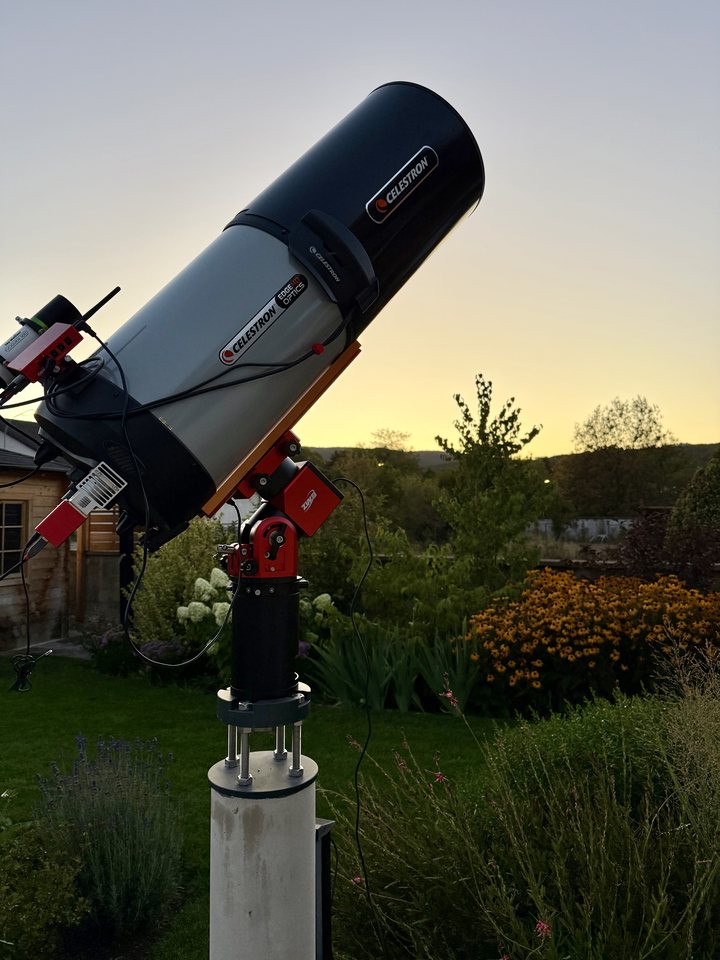
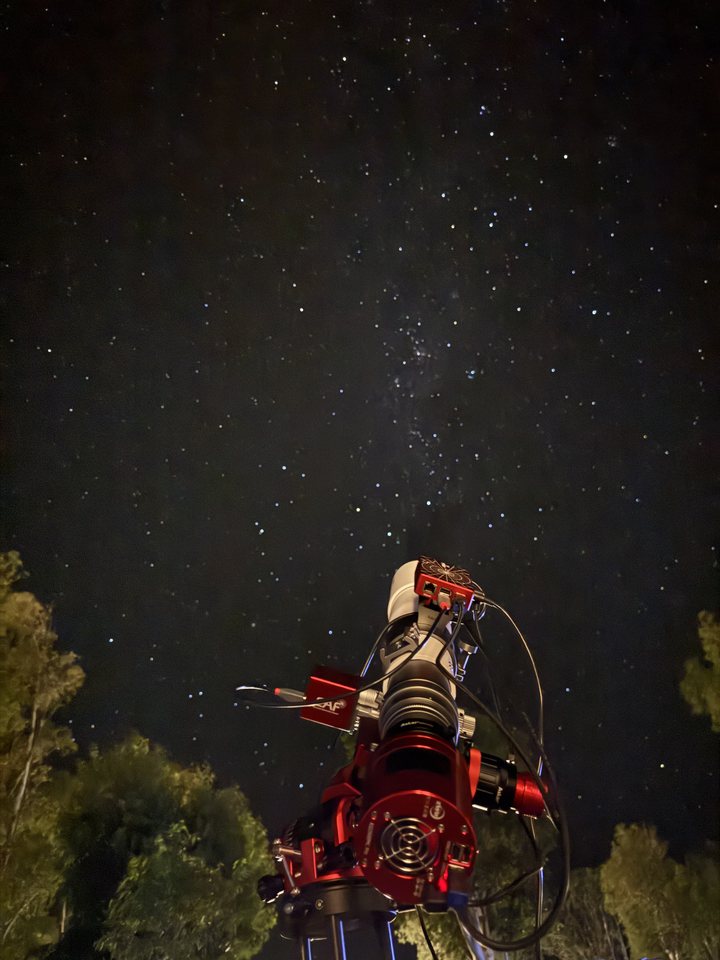
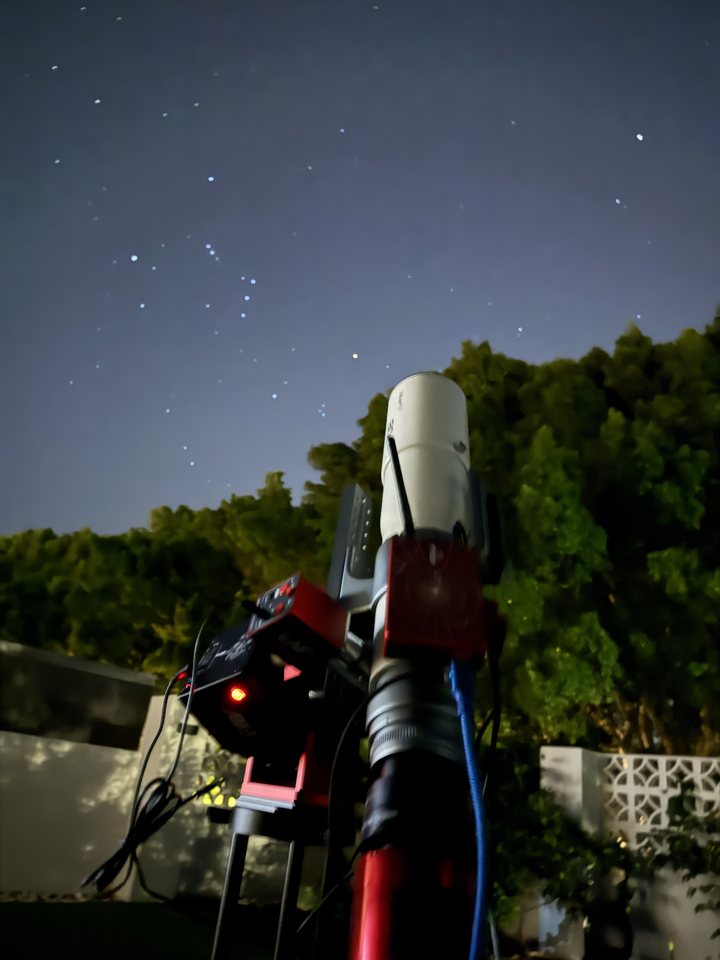
I’m Anton, an amateur astrophotographer. Every clear night started with the same questions: what’s up tonight, how long will it stay high enough, and where is the Moon? No tool answered them the way I wanted, so I wrote one.
That was Nova. It began as a small Python script for my own nights. Today it plans sessions, keeps a journal of every night, reads guiding and focus logs and runs in the browser, on self-hosted servers and as a native Mac app. It’s still open source, and it’s still built by one person who uses it for his own imaging.
— Anton Gutscher, developer of Nova
From a script to a toolkit
Nova has grown one release at a time, almost every new feature coming from a real night under the sky or a message from someone using it.
First public release
A tracker for live altitudes, azimuths and the Moon, shared on GitHub and Docker Hub.
Featured on Hackaday
The first write-up by someone else, and the first users from outside my own circle.
The imaging journal
Planning met logging: every session with its rig, filters and exposures.
Framing assistant and the web app
Field-of-view overlays on real sky surveys, and Nova in the browser with no install at all.
Projects and PDF reports
Multi-night targets, integration adding up across a whole season.
A new design, six languages
A rebuilt interface with day and night modes, translated into German, French, Spanish, Chinese and Japanese.
Log analysis and skyglow
NINA, ASIAIR and PHD2 logs turned into charts, and a light-pollution horizon from NASA satellite data.
Nova for Mac
A native, signed Mac app. No Docker, nothing to set up.
Built with AI, not by AI.
There’s a growing worry about “AI slop”: software and content churned out by machines with nobody really behind it. It’s a fair worry, so here’s how Nova is made.
Nova started about two years ago as code I wrote by hand, and its first public release came out in February 2025. Today I use agentic coding tools for a lot of the work. They make me much faster. They don’t decide what Nova is.
What the tools help with
What stays with me
The astronomy isn’t generated. Positions and times come from Astropy and established catalogs such as SIMBAD. And because Nova is open source, you don’t have to take my word for any of this: the code is on GitHub.
Three promises
Open source, free to self-host
The full source is public, so anyone can read it, check it or run it themselves. Self-hosting Nova on your own hardware stays free.
Your data stays yours
Export your configuration, journals, rigs and photos at any time, move between the web app, Mac app and self-hosting, or keep everything on your own hardware.
Made for real nights
Features earn their place by being useful at the telescope. If something gets in the way of imaging, it gets fixed.
Standing on good shoulders
Nova relies on the work of others: Astropy and Ephem for the calculations, SIMBAD for object data, Aladin and the Northern Sky Narrowband Survey for the framing views, and NASA VIIRS satellite data for the skyglow horizon.
And thank you to everyone who has reported a bug, suggested a feature or written about Nova. Many of the best ideas came from you.
Say hello
Questions, ideas or a bug that’s driving you mad? These are the best places to reach me.